
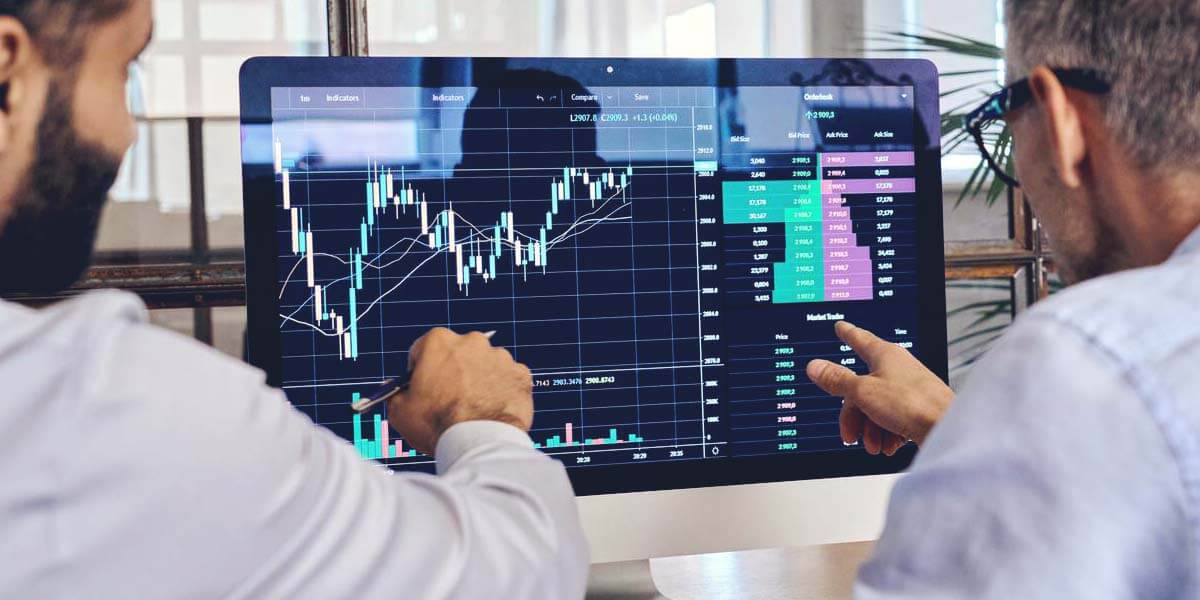
In recent years, online trading has emerged as a compelling avenue for professionals in the MENA (Middle East and North Africa) region seeking to diversify their income streams and take greater control of their financial futures.
The rise of digital platforms, coupled with increasing financial literacy and access to global markets, has transformed trading from a niche activity into a mainstream practice for ambitious professionals. This shift reflects broader economic trends, technological adoption, and evolving attitudes toward wealth management in the region.
Table of Contents
The Digital Transformation of Financial Markets
Technology has played a pivotal role in the rise of online trading. Advanced trading platforms now offer real-time market data, analytical tools, and seamless execution of transactions, empowering individual investors to make informed decisions without relying solely on traditional brokers. For MENA professionals, who often have demanding careers in sectors like finance, energy, and technology, the ability to trade efficiently from their laptops or mobile devices is particularly appealing.
The convenience of online trading is complemented by enhanced accessibility. Global markets that were once difficult to reach can now be explored with a few clicks. Stocks, bonds, commodities, and currencies are no longer confined to local exchanges. This connectivity has democratized investing, allowing professionals in cities like Dubai, Riyadh, Cairo, and Casablanca to participate in opportunities that were previously the domain of institutional investors.
Financial Literacy and Empowerment
Another key factor driving online trading popularity is the growing emphasis on financial literacy. Professionals in the MENA region are increasingly aware of the importance of diversifying income and planning for long-term financial security. Access to educational resources, webinars, and interactive platforms has lowered the barrier to entry, making trading less intimidating for newcomers.
Engaging in online trading encourages individuals to develop analytical skills, understand market cycles, and evaluate risk. Over time, these skills not only enhance one’s trading performance but also foster a more informed approach to personal finance. By taking ownership of their investments, professionals gain confidence and a deeper understanding of how global economic trends affect their wealth.
Flexibility and Work-Life Integration
The flexibility offered by online trading aligns well with the lifestyles of modern MENA professionals. Traditional investment channels often require in-person consultations, lengthy paperwork, and rigid schedules. Online trading platforms, by contrast, allow professionals to manage their portfolios during breaks, commutes, or after work hours. This accessibility makes trading compatible with demanding careers, enabling professionals to pursue financial growth without sacrificing time with family or personal commitments.
Online trading provides the ability to respond quickly to market fluctuations. Unlike long-term investment strategies that may require patience over months or years, online trading allows for agile decision-making. This real-time responsiveness is particularly attractive to professionals who are accustomed to fast-paced work environments and value the ability to act decisively.
Opportunities for Diversification and Growth
One of the strongest motivators for professionals engaging in online trading is the opportunity for portfolio diversification. The MENA region has a rich economic landscape, but many traditional investment options remain concentrated in local real estate, government bonds, or regional equities. Online trading opens doors to international markets, enabling investors to spread risk across various asset classes, sectors, and geographies.
Additionally, trading online can complement existing investment strategies. Professionals can balance conservative long-term holdings with more dynamic short-term trades, potentially enhancing returns while mitigating risk. This balance is crucial in a region where economic fluctuations, oil price volatility, and geopolitical developments can influence local markets.
For those looking to start their journey, platforms designed for the MENA market provide comprehensive solutions that simplify the trading process. By leveraging tools that facilitate research, execution, and portfolio monitoring, professionals can engage confidently in global markets. For example, those interested in exploring new investment channels can begin by investing online through platforms that are tailored to their region’s regulatory framework and market accessibility.
Community and Knowledge Sharing
Another factor contributing to the growth of online trading is the emergence of professional communities and social networks dedicated to finance. Forums, webinars, and social media groups provide spaces where investors can exchange insights, strategies, and experiences. For MENA professionals, these communities offer support and mentorship, helping them navigate complex financial instruments and stay informed about global trends.
Learning from peers who have successfully combined professional careers with active trading can be inspiring and practical. The collaborative nature of these networks encourages responsible investing, as participants share lessons on risk management, research methodologies, and market timing. This peer-based approach reinforces the idea that online trading is not just a solitary endeavour but also a dynamic learning experience.
Conclusion
Online trading is no longer a fringe activity; it has become a practical, empowering, and accessible option for MENA professionals seeking to take control of their financial futures. The combination of technological innovation, growing financial literacy, and a desire for diversification has made trading an attractive avenue for those looking to expand their investment horizons.
By embracing online platforms, professionals can achieve greater flexibility, develop essential financial skills, and participate confidently in global markets. As the MENA region continues to evolve economically and digitally, online trading stands out as a tool that empowers professionals to actively shape their financial destinies.